
 A professional look at Japanese cuisine
 +375 44 572 44 44


 0
0












About sushi
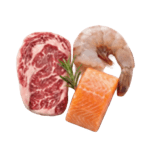
Sushi and sashimi are two major categories of dishes in traditional Japanese cuisine. Sashimi consists of raw fish fillets, seafood, and even meat, sliced into thin pieces.
The foundation of sushi is properly cooked rice, seasoned with «sushi rice» sauce. Unfortunately, there is still a stereotype that sushi is made exclusively from raw fish. In reality, seafood is used both raw (mollusks, fish, crustaceans, etc.), in which case they must be very fresh, and also cooked, marinated, smoked, or boiled. Sushi also includes vegetables, fruits, and meat.
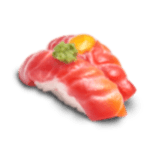
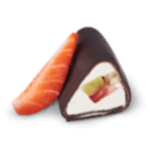
Sushi can be divided into the following subcategories: nigiri (the most popular type in Japan) and maki (common in America and Europe).
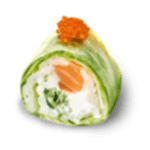
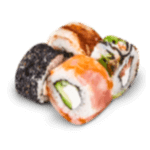
Maki are rolls made using a bamboo mat (makisu). Maki come in the following types:
• Norimaki – rolls with the nori on the outside.
• Hosomaki – small diameter rolls with no more than two ingredients in the filling.
• Futomaki – larger diameter rolls with at least five ingredients in the filling.
• Uromaki – rolls with rice on the outside. These rolls were invented in America.
• Temaki (cones) – hand rolls.
Rolls can be cut into 6 or 8 pieces, with an option to cut them into 14 pieces upon request.
In making nigiri, speed and practice are crucial. Professionals can make 10 nigiri in 30 seconds, ensuring that the rice inside has an air pocket, making the texture light and the flavor delicate. The rice should be squeezed gently, like holding the hand of a beloved.
Fish for nigiri is sliced across the grain and coated with wasabi, with the amount of horseradish determined by the chef, depending on the fish’s fat content (in Japan, the chef selects the fish at a special market).
For nigiri, fish can be used raw, smoked, marinated, prepared using the tataki method (briefly searing with an open flame), as well as omelet, various types of roe, vegetables, and more.
Wasabi, along with soy sauce, is a powerful antiseptic that prevents the development of harmful microorganisms.
Recent trends in sushi preparation show that traditional ingredients aren’t the only option. The dish reflects the national flavor of various cuisines. For example, in Norway, sushi is made with reindeer meat, and in France, foie gras is used, etc. The ratio of the main ingredient to rice is 1:1.
When ordering different types of nigiri, it’s better to start with raw and mild ones to experience the taste of each piece. In between, marinated ginger (gari) is eaten, which enhances the work of taste receptors, making each subsequent nigiri taste like the first. The lighter the ginger, the spicier it is. Sushi preparation is an art where even small details matter. The rice should be properly washed, cooked with the correct proportions and timing, mixed with sauces in the right ratio, and when preparing ingredients like fish and shrimp, special attention, patience, and care are required. But the result is worth it: the amazing, gradually unfolding taste of sushi.
Great attention is paid to cleanliness and order at the sushi preparation table, with strict and mandatory rules due to the use of raw ingredients that absorb foreign odors quickly. The rice should be handled with hands moistened with a solution of rice vinegar and water (1:1). The rice grains will not stick together due to the moisture, while the vinegar removes any odors and disinfects the product.
Before cutting rolls, a drop of water should be applied at a 45-degree angle to the knife blade (or simply moisten the knife) to prevent the rice from sticking and to ensure neat, even edges. Japanese knives, with one-sided sharpening, are recommended. The knives for cutting fish and rolls must be very sharp, and sushi bars require special sharpening stones of different roughness (at least three). The cutting technique also differs: in Japan, the cutting is done from the top.
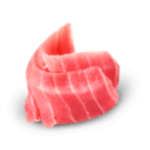
Gastronomists compare Chinese cuisine to a touch of human art—it’s a puzzle to figure out the ingredients. Japanese cuisine, on the other hand, is like a touch of nature, where, if it’s tuna, its taste is as open and preserved as possible.
When making sushi, the quality of the ingredients is crucial, whether it’s a common cucumber or the most expensive type of tuna. The chef’s task is to convey, preserve, and fully unveil the taste of the product.
In Japanese cuisine, there’s a concept called the «fifth taste» – umami, or the savory taste. We are used to distinguishing four tastes: sweet, salty, sour, and bitter. The elusive umami allows each sushi chef to stand out. Small changes in the rice sauce, like adding kombu seaweed, can make the rice taste better. Additionally, slight nuances in the soy sauce (such as adding mirin at a ratio of 100g per liter of soy sauce) or a broth made from bonito flakes (250g per liter of soy sauce) can make both the rice and sushi taste more delicious.
There are differences in how sushi is consumed in Europe, the U.S., and Japan. In Europe, we are accustomed to less salty soy sauce, which is why deep soy sauce dishes are served in restaurants, while in Japan, a saltier soy sauce is used (instead of salt), and flat soy sauce dishes are preferred.
Presentation is also important. Fresh raw fish doesn’t emit any aromas that stimulate the appetite, so a beautifully arranged plate is crucial. The «tasting» begins even before the meal starts, when the decorated dish is placed on the table. It’s important not to overdo the decoration, as beauty is a subtle, hard-to-grasp, ephemeral concept. Beauty is when there is nothing superfluous; the decoration only emphasizes the quality and taste of the main product, hints at it, and at the same time leaves an element of intrigue. Japanese masters say that a sushi chef’s hands are the spices, as the energy of the chef is transmitted through the hands. Therefore, a good mood and positive energy are the key to making delicious sushi.
Famous chef Nobu Matsuhisa says, «People can copy my recipes, but they cannot copy my heart»—this is not just a saying, it’s a philosophy. When a chef adds attention, care, passion, love, and respect to quality ingredients and expresses all of this through the dish, they create not just food, but a true masterpiece to be enjoyed endlessly.
Chef Evgeny Sadovsky from PROSUSHI.